Source Slim Line Retractable Clothes Line for Hotel Home Garden
Compare 30 listings for the slim line retractable clothes line suitable for hotel, home, and garden use. Buyers can evaluate specifications like material, length, and customization options to find the right supplier for their needs; compare the available evidence and request quotations based on your requirements.
Key considerations
Products List


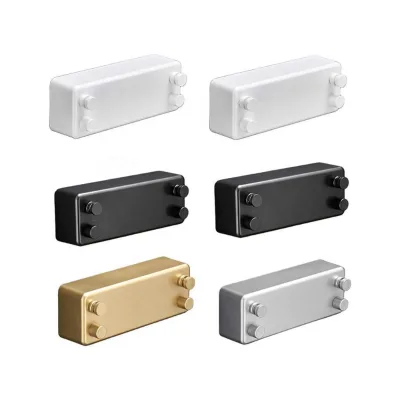
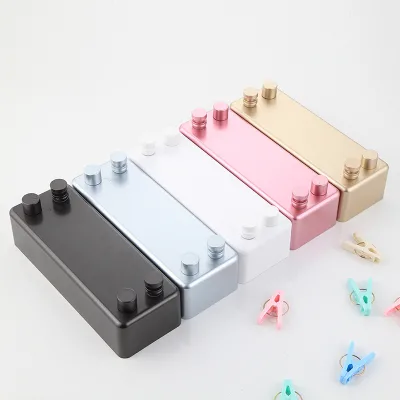


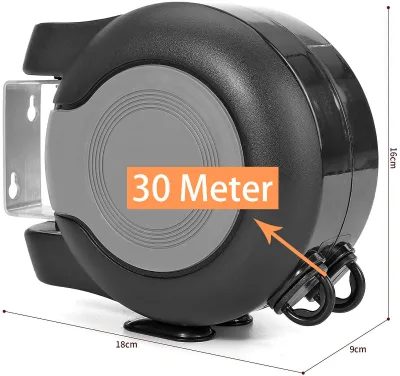
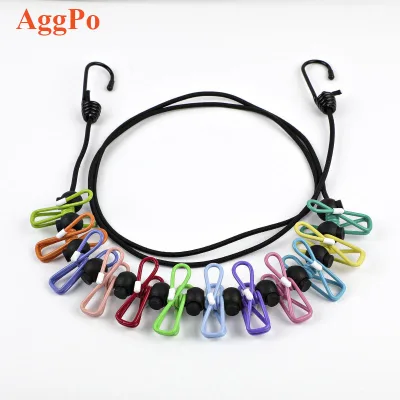

Comprehensive Sourcing Guide
Slim Line Retractable Clothes Line Sourcing Guide
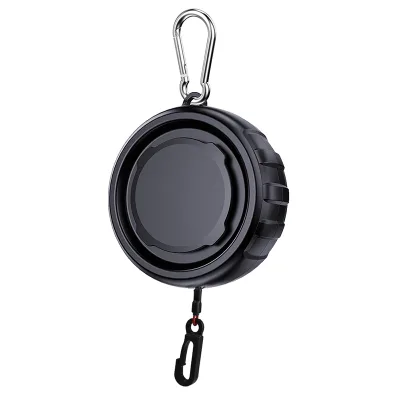
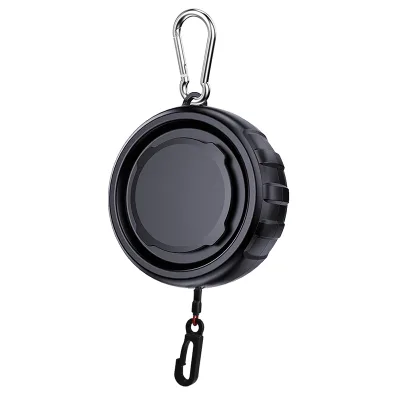
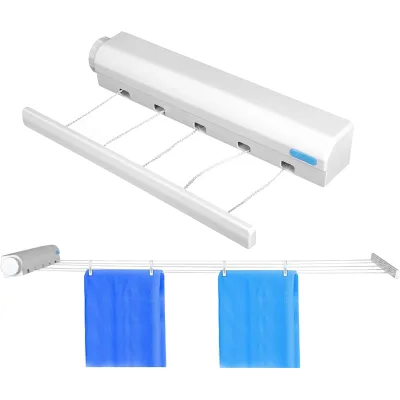
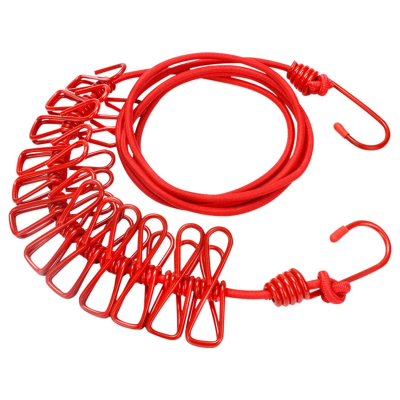
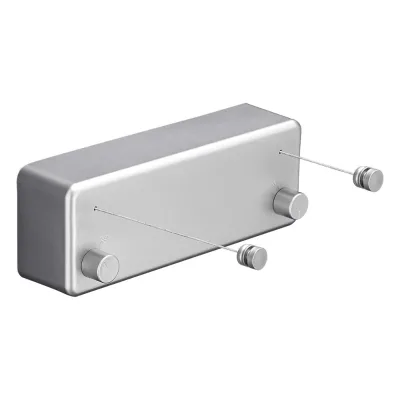
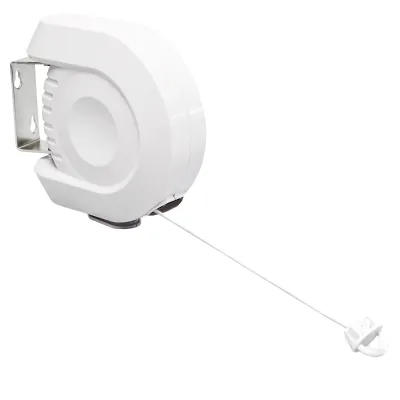
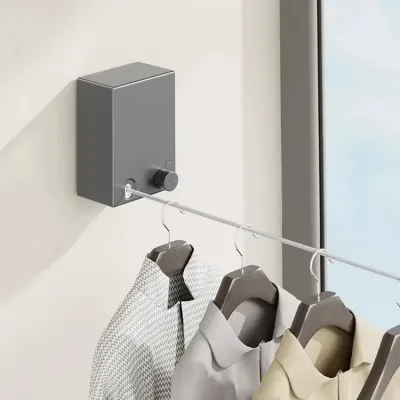
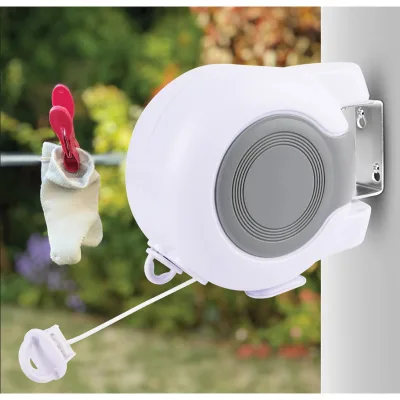
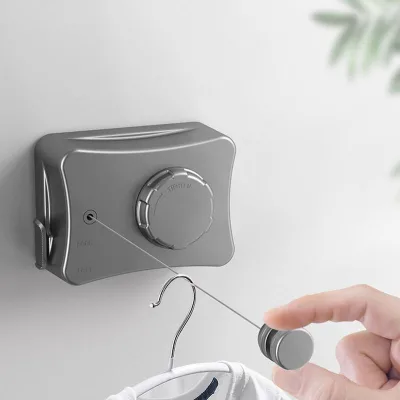
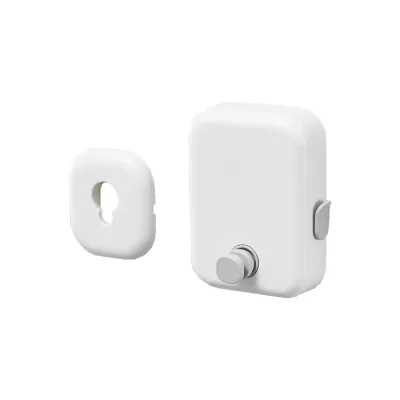
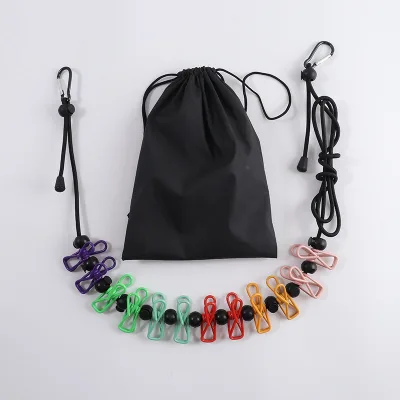
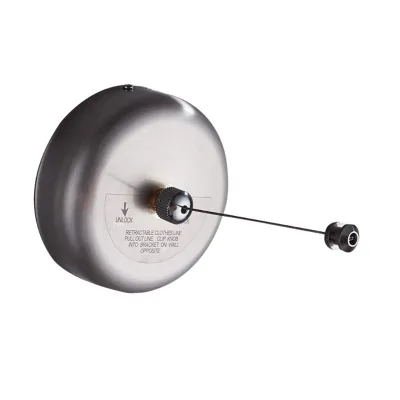
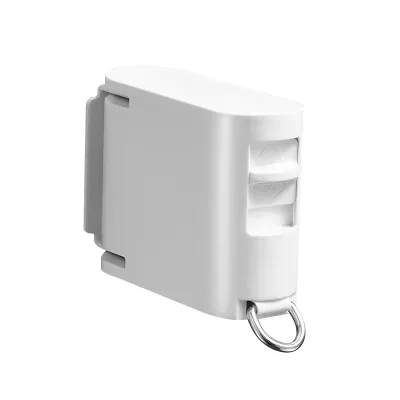
Buyers evaluating slim line retractable clothes lines must first distinguish between fixed indoor units and portable outdoor variants, as the supplied data indicates products designed for both hotel and home environments. The observed listings feature specific configurations like the 2.7-meter black actable clothesline, which suggests a focus on space-saving mechanisms suitable for balconies or compact laundry rooms. Procurement teams should verify whether the unit is intended for permanent installation or temporary use, as this dictates the required mounting hardware and structural load capacity.
The product scope also encompasses specialized storage solutions that integrate with the clothesline function, such as holders and racks with European styling. These items often appear in promotional gift catalogs or hotel amenity packages, requiring careful attention to the "Non Trouser Press" characteristic to ensure they meet specific drying needs without damaging delicate fabrics. Sourcing strategies must account for the variety of materials observed, ranging from plastic components to stainless steel wires, ensuring the selected unit aligns with the intended durability and aesthetic requirements of the target market.
Technical Specifications to Verify
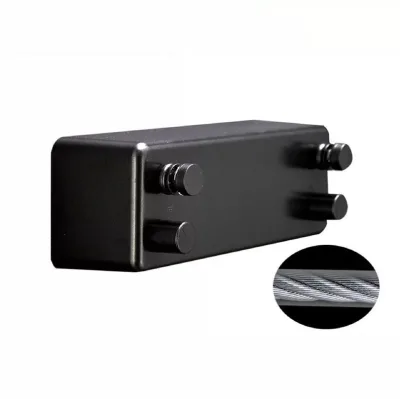
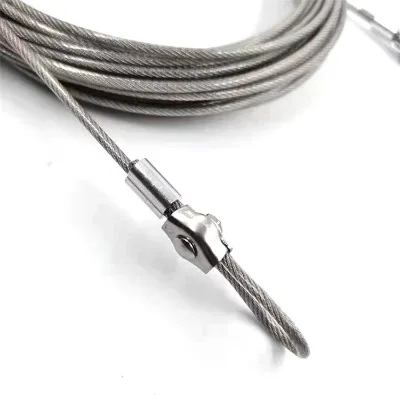
When assessing the mechanical integrity of these units, buyers must scrutinize the pulling rope length and the specific wire construction details provided in the product data. The observed specifications include a 3.75-meter rope length and wire constructions such as 6X7 or 6X19, which are critical for determining the maximum extension and tensile strength of the line. Procurement teams should confirm that the wire diameter and coating, such as nylon PVC or PA plastic, match the environmental conditions where the product will be deployed to prevent premature wear or corrosion.
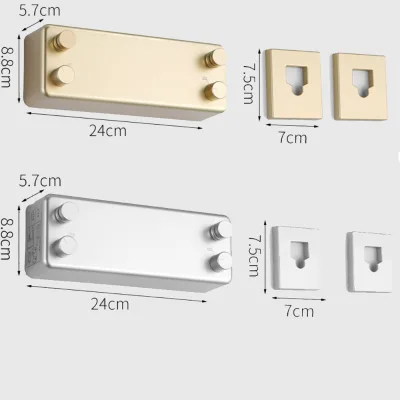
Dimensional accuracy is equally vital, as the standard size of 36.4x6.3x6cm and the unit weight of 468g indicate a specific form factor that must fit the intended installation space. Buyers should verify the cross-sectional shape of the wire, noting the observed round profile, and ensure the thickness aligns with the "Metal Filament" description to guarantee sufficient strength for heavy loads. Additionally, the folded versus unfolded state must be confirmed to ensure the retraction mechanism functions smoothly without jamming, which is essential for user satisfaction in both indoor and outdoor applications.
Compliance and Safety Documentation
Safety compliance for retractable clothes lines often involves verifying that the materials used meet international standards for construction and decorative applications. The supplied facts reference standards such as GB/T, DIN, BS, ASTM, JIS, and ISO, which buyers should request to confirm that the stainless steel wire and plastic components have undergone rigorous testing for tensile strength and structural integrity. It is crucial to ensure that the surface treatments, including color coating and lacquering, do not introduce hazardous substances that could leach into the environment or come into contact with skin during use.
Documentation should also address the specific application contexts, such as hotel or garden usage, to ensure the product meets local safety regulations for public or commercial spaces. Buyers must verify that the "Soft State" of the metal wire and the "Cold Drawing" process do not compromise the safety of the retraction mechanism, which could otherwise pose a pinching or snapping hazard. Requesting test reports that validate the product's performance under load and its resistance to environmental factors will help mitigate liability risks associated with product failure in the field.
Cost Drivers and Commercial Terms
The cost structure for these products is heavily influenced by the material composition, with stainless steel wire and plastic components driving the base price significantly higher than all-plastic alternatives. Buyers should analyze the impact of surface finishing processes, such as lacquering or nylon PVC coating, on the final unit cost, as these treatments add value but also increase manufacturing expenses. The observed price range of 0.2 to 12.52 USD suggests a wide variance based on customization levels, material quality, and the complexity of the retraction mechanism, requiring a detailed cost breakdown to understand the value proposition.
Commercial terms must be clearly defined, particularly regarding payment methods like T/T or L/C and the minimum order quantity (MOQ) which can range from 1 to 5000 units depending on the supplier. The observed MOQ of 100 units for specific models indicates that smaller buyers may face higher per-unit costs or need to consolidate orders to achieve competitive pricing. Procurement teams should negotiate flexible packaging options, such as color boxes or standard export cartons, to optimize shipping costs while ensuring the product arrives in pristine condition for retail or promotional distribution.
Supplier Qualification and Quality Control
Supplier qualification requires a thorough review of their manufacturing capabilities, specifically their ability to handle processes like bending, welding, punching, and decoiling for complex wire constructions. Buyers should verify the supplier's origin, noting the presence of manufacturers in Ningbo and Zhejiang, China, and assess their experience in producing items with specific characteristics like the "Luxury" specification or "Adjustable" styles. It is essential to confirm that the supplier can consistently deliver products with the required alloy status, such as non-alloy steel, and maintain the precise dimensions and weights observed in the product data.
Quality control protocols must be established to ensure that every unit meets the "Standard Exported Carton Packing" requirements and maintains the integrity of the retraction mechanism. Buyers should implement incoming inspection procedures that check for defects in the surface treatment, such as uneven color coating or missing lacquer, which could indicate poor manufacturing practices. Additionally, verifying the supplier's ability to handle OEM and ODM requests ensures that the product can be customized to meet specific branding or functional requirements without compromising the core quality of the retractable system.
Long-Term Procurement Checks
Sustaining a successful supply chain for slim line retractable clothes lines involves regular audits of the supplier's ability to maintain consistent product standards over time. Buyers should monitor the consistency of the "36.4x6.3x6cm" dimensions and the "468g" unit weight across different production batches to ensure that the product does not drift from its original specifications. Long-term checks should also include verifying the durability of the "Nylon PVC PA Plastic Coated" wire and the reliability of the retraction mechanism under repeated use, which are critical for maintaining customer trust and reducing return rates.
Procurement teams must also track the supplier's adherence to the agreed-upon standards, such as GB/T, DIN, and ASTM, to ensure ongoing compliance with safety and quality regulations. It is important to review the supplier's inventory management and lead times, especially for customized orders involving specific packaging or branding, to prevent supply chain disruptions. Establishing a feedback loop with end-users in hotels and homes will provide valuable insights into product performance, allowing buyers to make data-driven decisions regarding future orders and potential product improvements.
FAQs
What is the standard length of the retractable clothes line?
The standard pulling rope length is 3.75 meters. This dimension provides sufficient drying space for most household laundry needs. The product is designed for both indoor and outdoor usage, ensuring versatility. Buyers should verify specific model requirements, as some variants may have different lengths or configurations depending on the manufacturer's specifications.
Can the product be customized for specific branding needs?
Yes, customization is available for this product. Buyers can request OEM and ODM services to tailor the design or packaging. The product supports various packing options, including color boxes and standard export cartons. This flexibility allows businesses to align the product with their specific marketing strategies or corporate identity requirements effectively.
What materials are used in the construction of the line?
The product utilizes plastic components for the main housing and stainless steel wire for the line itself. The stainless steel wire undergoes cold drawing and may feature nylon or PVC coating for durability. This combination ensures resistance to corrosion and weather conditions, making it suitable for long-term use in various environments without compromising structural integrity or performance.
What is the minimum order quantity for bulk purchases?
The minimum order quantity is typically 100 units. This MOQ applies to standard orders and allows for manageable inventory levels for small to medium businesses. Buyers should confirm the exact MOQ with suppliers, as it may vary based on customization requests or specific packaging requirements. Bulk orders often benefit from negotiated pricing and streamlined logistics arrangements.
Where is the product manufactured and shipped from?
The product originates from manufacturing hubs in Ningbo and Zhejiang, China. These locations are known for efficient production and export logistics. Buyers can expect standard export carton packing for bulk shipments. The origin ensures access to established supply chains, facilitating reliable delivery schedules and competitive pricing for international buyers seeking quality manufacturing sources in these regions.
What payment terms are accepted for transactions?
Common payment terms include T/T and L/C. These methods provide security for both buyers and suppliers during international trade. Buyers should discuss specific payment schedules with suppliers to align with production timelines. Flexible payment options help manage cash flow and reduce financial risk, ensuring smooth transaction processes for bulk orders and long-term supply agreements.